
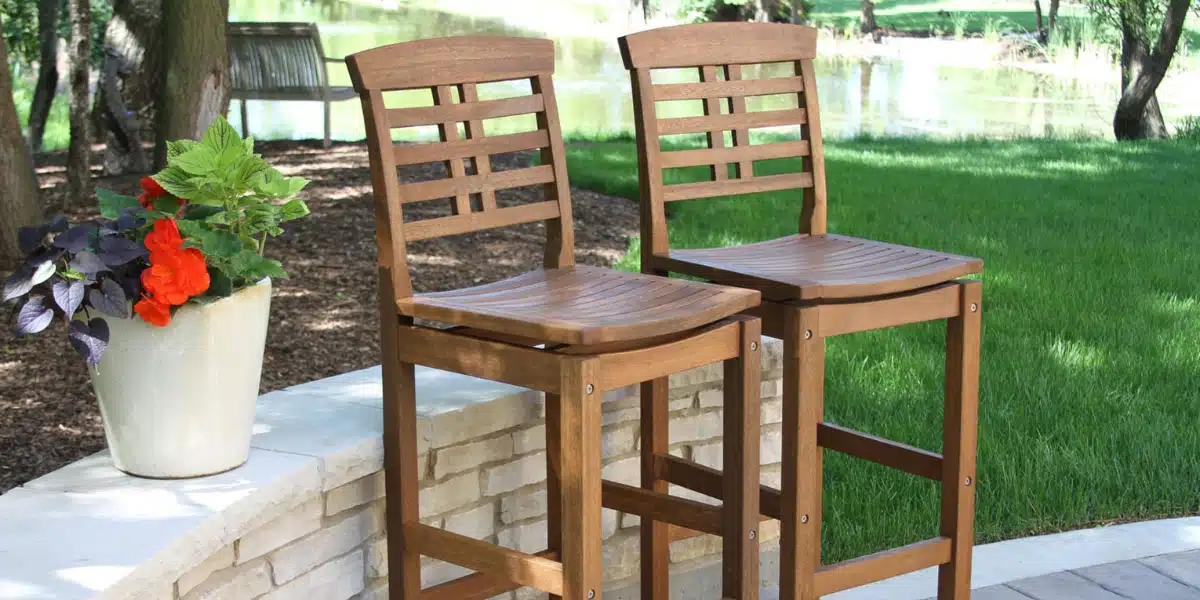
Creating a standout entertaining space begins with more than stylish furniture and decorative touches. The bar area often serves as the social hub, where conversations flow, and guests gather for drinks and snacks. One key detail that can dramatically elevate this experience is bar height. A bar that is too low or too high can hinder comfort, limit interaction, and disrupt the visual flow of your space. Understanding proper bar dimensions ensures that stools fit perfectly, traffic moves smoothly, and guests feel relaxed.
This guide will explore standard heights, stool pairing, layout strategies, styling tips, and considerations for indoor and outdoor bars, helping you create a space that blends function with style seamlessly.
Why Bar Height Matters in Entertaining Spaces
Bar height influences comfort, interaction, and accessibility. Sitting at a well-measured bar allows guests to relax without slouching or stretching. Correct height supports ergonomic seating, encourages social engagement, and ensures that standing or perching at the bar feels natural. The right height also improves aesthetics, helping the bar appear proportionate to the surrounding furniture and room layout. Choosing the proper bar height for indoor as well as for outdoor sets the foundation for a cohesive entertaining environment.
Standard Bar Heights and Measurements
Understanding standard bar height is crucial for creating a functional area. Common options include:
Dining Height (28 to 30 inches)
A traditional average bar height is ideal for family meals or casual gatherings. It’s accessible for children and elderly guests and pairs well with standard dining chairs.
Counter Height (34 to 36 inches)
Also known as kitchen or how high is bar height counters, this height works for informal dining, food prep, and casual entertaining. Counter stools around 24 to 26 inches offer comfortable seating.
Bar Height (40 to 42 inches)
Pub-style bars provide a dynamic social atmosphere. This is what a normal bar height encourages guests to perch on tall stools, promotes conversation, and visually separates the bar from other areas.
Knowing the height of the bar allows you to select compatible stools and design elements. Each height serves a purpose, ensuring comfort and balanced proportion throughout the space.
Choosing the Right Bar Stools
Bar stools must complement the chosen bar height to avoid discomfort. A general guideline is leaving a 10 to 12-inch gap between the stool seat and the underside of the bar. For a 40 to 42-inch bar, stools should have a seat height of around 28 to 30 inches. For counter height, 24 to 26-inch stools provide proper spacing.
Backrest options impact comfort, with higher backs offering support for extended gatherings and backless stools enhancing flexibility. Materials also matter. Choose durable, easy-to-maintain finishes suitable for indoor or outdoor settings. Swivel and adjustable stools add functionality, allowing guests to move freely and adapt to conversation areas.
Placement and Layout Guidelines
Strategic placement guarantees both comfort and flow. Leave at least 36 inches of clearance around the bar for walking and traffic. Avoid crowding pathways, and arrange seating to promote interaction. L-shaped or U-shaped layouts work well in larger spaces, creating a natural gathering zone.
If space is limited, use compact stools or benches. Align bar areas near focal points like fireplaces, patios, or water features to encourage guests to gravitate naturally. Proper spacing prevents congestion while maximizing capacity.
Styling Your Bar Area
Bar height should integrate seamlessly with countertop materials and décor. For example, a marble or quartz top works best when paired with stools that complement the surface visually and ergonomically. Use lighting to highlight the bar and create ambiance. Pendant lights, LED strips, or subtle accent lighting enhance aesthetics without overpowering the space.
Color palettes and materials must coordinate with surrounding furniture. Matching finishes or textures between stools and cabinetry creates a cohesive look. Functional accents, such as under-counter storage or built-in shelves, add practicality without sacrificing style.
Outdoor vs. Indoor Bar Considerations
Outdoor bars require weather-resistant materials like treated wood, aluminum, or synthetic composites. Seating must withstand sun, rain, and humidity while remaining comfortable. Consider the average bar height for outdoor setups to match stools and confirm usability. Improve your outdoor entertaining area with Castelle patio furniture from us, designed to provide lasting comfort and elegant style for any gathering.
Indoor bars allow greater design flexibility. Integration with kitchen islands, living areas, or game rooms can transform multi-purpose spaces. Adjustable stools or modular bar units provide adaptability, accommodating changing needs and seasonal entertaining.
Benefits of the Right Bar Height
- Proper bar height promotes comfort, reduces fatigue, and improves posture for seated guests.
- It encourages social interaction, as the height creates an inviting space for conversation.
- A well-measured bar draws the eye, serving as a centerpiece without overwhelming surrounding furniture.
- Choosing the right height guarantees accessibility for all ages, making the space inclusive and versatile.
Practical Tips for Adjusting or Customizing Bar Height
If you inherit a pre-existing bar, platforms, or footrests, you can adjust seating comfort without reconstructing the bar. Modular units and adjustable stools allow flexibility for multiple uses, accommodating dining, work, or socializing. Ensure alignment with adjacent furniture, such as counters or side tables, to maintain flow and prevent awkward transitions. A small step or raised platform can enhance usability for taller bars, while adjustable seating allows personalization for each guest.
Conclusion
Selecting the right bar height transforms any entertaining space into a functional and inviting hub. It affects comfort, interaction, and aesthetic harmony, making each gathering more enjoyable. Thoughtful planning of stool heights, layout, and materials improves both usability and visual appeal. Consider what a normal bar height is when designing your area to guarantee ergonomic seating and seamless flow.
Beyond function, bar height influences aesthetics, helping the area feel intentional and cohesive while complementing surrounding furniture. Adjustable stools, footrests, and modular bar units provide flexibility for varying needs or occasions. Thoughtful planning of layout, materials, and lighting transforms the bar into a social hub where guests naturally gather.
Create a versatile dining space with the Tropitone outdoor dining set from us, perfect for casual meals, parties, and year-round enjoyment.
