
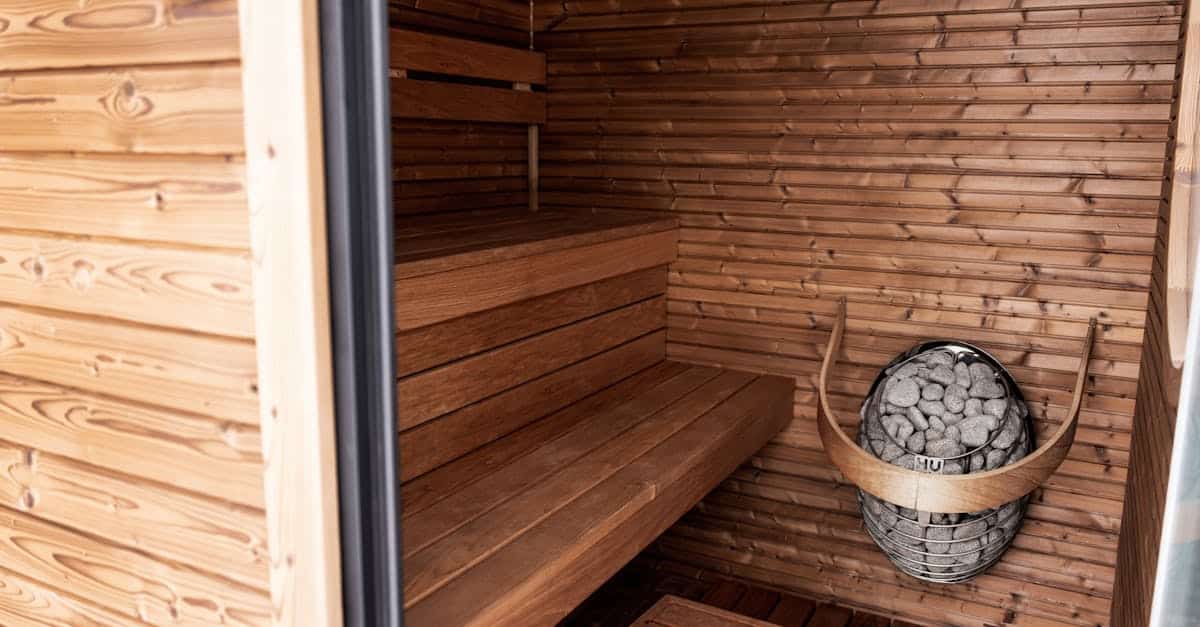
Sauna bathing has become a sought-after wellness ritual for its range of reported health benefits, including improved heart health, relaxation, pain relief, and immune support. When it comes to starting your sauna journey at home, understanding the distinctions between traditional and infrared saunas, as well as experiencing true Scandinavian craftsmanship, is crucial. At Patio Life, we guide customers throughout Boise, Meridian, and Eagle in exploring both the science and the art behind high-quality sauna living—inviting you to see, sit, and feel genuine Finsauna and Auroom installations in person at our showroom.
Defining Sauna Use and Its Health Benefits
A sauna is an enclosed space heated to high temperatures, designed to promote sweating and deep relaxation. Science has extensively examined sauna use, affirming benefits for cardiovascular health, brain function, stress reduction, immune support, pain relief, and overall wellbeing. The physiological effects—like increased circulation and heart rate—are similar to those from moderate exercise. Consistent sauna sessions are associated with improved cholesterol profiles, better blood pressure control, and a reduced risk of cardiovascular events and dementia, according to widely-cited long-term Finnish studies. Many individuals also experience faster muscle recovery, less pain, and deeper sleep after regular sauna exposure.
Traditional vs. Infrared Saunas: Understanding the Differences
There are two primary categories of home saunas: traditional and infrared. Both create a deeply relaxing environment and help initiate beneficial physical responses, but they achieve these effects through different mechanisms. Below, we define both types and directly compare their attributes.
Traditional Saunas
- Heating Method: Utilize an electric or wood-fired heater to warm stones, raising the air temperature in the room.
- Temperature: Typically set between 160 to 195°F (71 to 90°C); humidity remains low to moderate depending on the use of water on the stones.
- User Experience: Hot air, deep radiant warmth, classic wood scent, and optional steam when water is poured on stones. Sessions commonly last 5–20 minutes.
- Research Foundation: Most long-term scientific studies, especially those linking sauna use to heart and brain health, focus on traditional Finnish-style saunas like those built by Finsauna and Auroom.
Infrared Saunas
- Heating Method: Rely on infrared panels or emitters that directly heat the body (not the air) using electromagnetic radiation in the infrared spectrum.
- Temperature: Lower overall room temperature, usually 120 to 150°F (49 to 65°C) with very low humidity.
- User Experience: More gentle, with a deep sweat, making sessions of 20–45 minutes comfortable for many. The heat is penetrating yet ambient, and felt directly.
- Research Foundation: Growing evidence supports benefits for pain reduction, mild cardiovascular improvement, and lower heat tolerance, though the scientific base is smaller than for traditional saunas.
Comparing Key Features
| Key Feature | Traditional Sauna | Infrared Sauna |
|---|---|---|
| Air Temperature | 160–195°F | 120–150°F |
| Humidity | 5–20% (higher with added water) | Very low |
| Heat Transfer | Heated air & radiant from stones/surfaces | Infrared energy directly to skin/tissue |
| Session Length | 5–20 min (up to 30 with experience) | 20–45 min, depending on user |
| Evidence Base | Robust, decades of data for cardiovascular & cognitive outcomes | Promising, especially for pain & mild cardiovascular benefits |
| Ambiance & Experience | Classic wood scent, steam options, multisensory Scandinavian feel | Gentle, modern, focused on direct body heat |
Choosing the Right Sauna for Your Needs
- Heat Preference: Traditional saunas are best for those who enjoy intense heat and a classic experience. Infrared may suit those preferring longer, gentler sessions.
- Health Goals: For longevity and robust cardiovascular benefits, traditional saunas have the largest body of supporting science. Infrared saunas offer comfort and accessibility for new users or those with specific sensitivities.
- Atmosphere: Many choose traditional Scandinavian-style for the wood aroma, responsive heating, and the ritual of adding steam.
At Patio Life, our expertise lies in traditional Scandinavian-style saunas, featuring authentic, research-backed designs like those from Finsauna and Auroom. Experiencing these firsthand is an important step toward selecting a sauna that truly elevates your wellness routine.
Explore Finsauna & Auroom: Authentic Scandinavian-Built Saunas
Not all saunas are built alike. The best saunas, like those from Finsauna and Auroom, showcase thick, high-quality timbers, ergonomic benches, excellent heater integration, and thoughtful design for longevity and daily use. These are brands we proudly feature in our showroom, enabling you to see, sit, and feel true craftsmanship.
Finsauna: Precision Engineered, Wellness Driven
- Therma Collection (Indoor Traditional Sauna): Crafted in Estonia with premium Nordic spruce, Thermo-Aspen accents, glass fronts for spaciousness, and ergonomic two-level benches. LED lighting creates a calming, spa-like glow, and Wi-Fi controls allow modern convenience.
- Isla Traditional Collection (Indoor): Nordic spruce and aspen, modern look, two-tier benches, easy to assemble, designed for circulation and comfort.
- Keila Collection (Outdoor Traditional): Thermo-treated spruce construction for Idaho’s four seasons, glass fronts, two-tier wide benches, and weather-resistant design. Assembles in about two days for most homeowners.
All Finsauna models focus on the classic Finnish heat profile, delivering the experience and proven benefits documented in clinical studies.
Auroom: Modern Scandinavian Luxury
- Contemporary European design using thermo-treated wood for stability in various climates.
- Minimalist mix of glass and wood fits beautifully in modern homes.
- Ergonomic benches for comfortable, longer sessions.
- Clean lines, soft indirect lighting, and soothing colors for a spa-quality ambiance.
With both Finsauna and Auroom, you get authentic Scandinavian craftsmanship that can only be appreciated fully when experienced in person—right here in our Meridian showroom.
See, Sit, and Feel the Real Thing at Patio Life
- Step inside live models from Finsauna and Auroom to evaluate for fit and comfort.
- Feel the unique smoothness of Nordic spruce or thermo-treated woods.
- Experience bench support and room layouts tailored to various heights and preferences.
- Compare lighting, heater placement, and design details that truly distinguish a premium sauna.
Visiting Patio Life to explore these models removes the guesswork often encountered when shopping for saunas online, allowing you to make an informed, confident decision.
How to Start a Safe and Effective Sauna Routine at Home
Once your sauna is installed, it’s important to ease into usage routines that maximize health benefits while preserving your comfort.
Step-by-Step Home Sauna Routine
- Preheat: Power on your traditional sauna 30–45 minutes before use to achieve the recommended temperature (170–185°F once acclimated). For infrared saunas, allow 10–20 minutes based on manufacturer guidance.
- Prepare: Shower briefly for cleaner skin and more effective sweating. Hydrate with 8–12 ounces of water.
- First Round: Enter the sauna and sit or recline on a towel. New users should limit sessions to 5–10 minutes (traditional) or 10–20 minutes (infrared); experienced users may extend each round.
- Steam (Optional, Traditional Sauna): Carefully ladle small amounts of water onto the stones for extra humidity and sensation.
- Cool Down: Step out, sit in a cooler space or take a tepid shower for 5–10 minutes, then rehydrate.
- Repeat: If comfortable, return for a second round. Generally, total session time should not exceed 20–30 minutes in one sitting for traditional saunas or 45 minutes for infrared models.
- Finish: End with a cool-down, more hydration, and, optionally, an electrolyte drink if sweating is substantial.
Best Practices for Sauna Health and Safety
- Consult your healthcare provider if you have cardiac issues, low blood pressure, are pregnant, or have chronic illness.
- Always listen to your body. Exit immediately if dizzy, nauseated, lightheaded, or unwell.
- Avoid alcohol and recreational substances before or during sauna use.
- Start slowly. Increase session frequency and duration as your comfort grows.
- Stay well hydrated before, during, and after sessions.
Why Choose Patio Life as Your Sauna Partner?
When it comes to creating a wellness space at home, working with an expert retailer makes all the difference. At Patio Life, we offer hands-on guidance, Scandinavian-built models, and a showroom experience unlike anywhere else in the Treasure Valley.
- Exclusive access to Finsauna and Auroom models—built and designed in Northern Europe, emphasizing material quality and wellness.
- Visit to see, touch, and assess the real craftsmanship behind your future sauna.
- Expert staff to walk you through installation, daily use, and accessible wellness routines.
- Selection support for both indoor and outdoor spaces—customized to your home or backyard.
- One-stop experience for all things patio living, outdoor spas, swim spas, and saunas.
To further enrich your outdoor lifestyle, explore our other resources, such as how to create a seamless indoor-outdoor living experience.
FAQ: Sauna Health Benefits and Usage
What are the main health benefits of regular sauna use?
Regular sauna use supports cardiovascular health, stress and anxiety reduction, muscle recovery, joint pain relief, enhanced circulation, and immune function. It can also improve sleep quality and skin appearance.
How do traditional and infrared saunas differ in terms of experience and benefits?
Traditional saunas heat the room air and provide a classic, multi-sensory experience ideal for those seeking robust heat and authentic Scandinavian ambiance. Infrared saunas heat the body directly via infrared panels for a gentler, more accessible sweat. Traditional saunas have the deepest research backing for cardiovascular and cognitive benefits, while infrared models are popular for longer sessions and ease of use.
How often should you use a sauna for optimal health benefits?
For most healthy adults, 3–4 days per week at 15–20 minutes per session (traditional sauna) or up to 30 minutes (infrared) provides consistent benefits. New users should start with shorter and less frequent sessions, gradually increasing as comfort allows.
Are there any safety concerns with sauna bathing?
Sauna use is generally safe for healthy adults. Individuals with heart disease, low blood pressure, pregnancy, or chronic illnesses should consult a physician before beginning regular sessions. Hydration, session duration, and listening to the body are essential for safe enjoyment.
Why should I experience a sauna in person before buying?
Experiencing a sauna in person allows you to assess bench comfort, space, wood quality, and design features that aren’t visible in photos. At Patio Life, you can sit in Finsauna and Auroom models, ensuring your investment is a perfect fit for your needs and preferences.
Conclusion
Exploring the science and personal experience behind sauna bathing is the best way to identify the routine and product that align with your wellness goals. At Patio Life, we invite you to discover true Scandinavian-crafted saunas—from Finsauna and Auroom—at our Meridian showroom. Come see, sit, and feel the quality for yourself, and let our expert team help you start (or elevate) your home sauna journey.
