
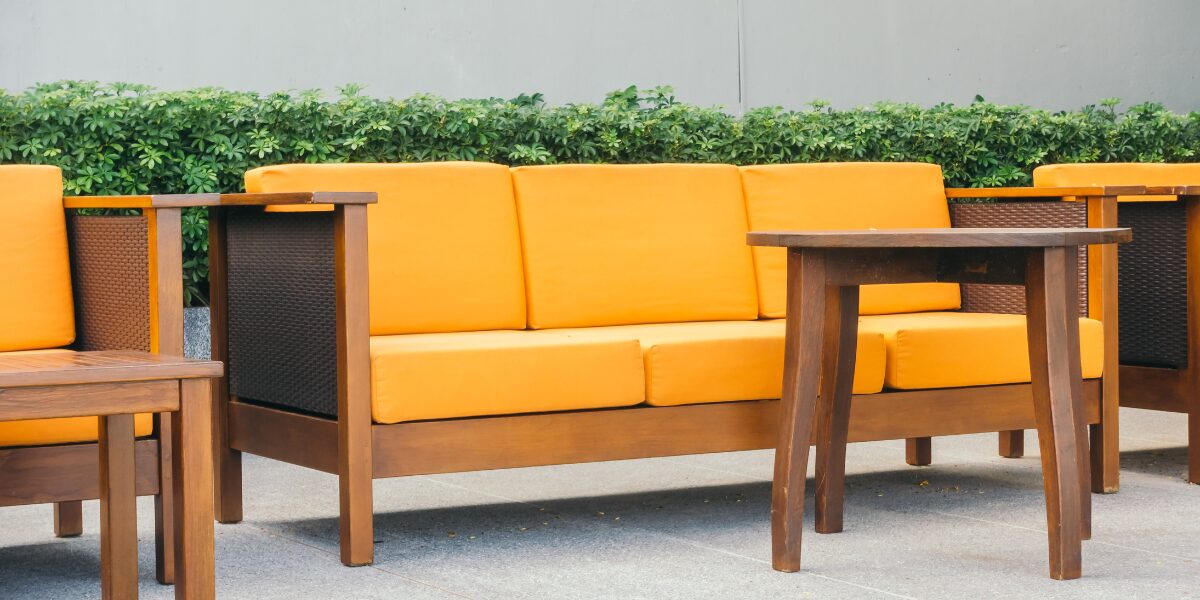
Selecting the right coffee table can significantly impact the comfort and harmony of a living room arrangement. Too big and it dominates the space. Too small, and it looks lost and feels impractical. This coffee table dimension guide helps navigate every key measurement so the table fits the room, the seating, and your lifestyle.
In this blog, you will learn standard rules for height, length, and spacing, along with tips to ensure your table looks balanced and functions beautifully in your space.
Why Coffee Table Dimensions Matter?
Coffee tables sit at the heart of most living rooms. They tie together seating areas and serve as functional pieces for drinks, decor, and even storage. But when the size is off, it becomes obvious. A table that’s too tall blocks sightlines and feels awkward. One that’s too small or far away is inconvenient.
Getting the dimensions right ensures balance, accessibility, and flow. Once the table is properly sized, the whole space feels organized and welcoming.
Standard Coffee Table Measurements
When shopping, you’ll notice tables come in a wide range of sizes. Still, there are widely accepted coffee table standard measurements that most designers follow.
-
Length
Between 36 and 48 inches is typical for most sofas.
-
Width
Dimensions vary between 18 and 24 inches, depending on the arrangement of the room.
-
Height
A height of 16 to 18 inches from the ground is the most common.
These figures work well in most living rooms because they match the scale of average furniture. They also leave enough room for comfortable movement.
Choosing the Perfect Coffee Table Size
If you are wondering how big my coffee table should be, the general rule is to choose one that is about two-thirds the length of your sofa. This ratio keeps proportions balanced and visually pleasing.
For example, if your sofa is 84 inches long, a coffee table between 54 and 56 inches is ideal. This size leaves just enough room on both ends for walking space without making the table feel undersized.
You also need to think about placement. The best distance between the sofa and coffee table is around 14 to 18 inches. That gives you room to move comfortably while keeping the surface close enough to reach.
Best Coffee Table Height Compared to the Couch
Getting the right coffee table height to couch ratio is one of the most important parts of furniture selection. The top of the coffee table should line up roughly with the height of your sofa’s seat cushions.
Most sofas have seat heights of 17 to 19 inches, so a table that’s 16 to 18 inches tall usually works best. If your table is too tall, it looks bulky and throws off proportions. If it’s too low, it becomes awkward to use.
Think of the coffee table as an extension of your seating. When the heights match naturally, reaching for items feels comfortable, and the layout looks cohesive.
Space and Flow Around the Table
Beyond the size of the table itself, the space around it also matters. You want to keep enough room to move freely without bumping into furniture.
Here are some general spacing tips:
- Maintain a distance of 14 to 18 inches between the sofa and the edge of the table.
- Maintain 24 to 30 inches of open space between the table and other furniture or walls.
- For sectionals or L-shaped sofas, center the table in the main seating zone so everyone can reach it comfortably.
Shapes and Proportions
The shape of a coffee table can influence how large or small it feels in a room. Here are some quick guidelines:
-
Rectangular Tables
Perfect for standard sofas and symmetrical seating layouts.
-
Square Tables
Great for large seating areas or modular sofas.
-
Round Tables
Best for smaller rooms or homes with children, since there are no sharp corners.
-
Oval Tables
Work well with long sofas and create smoother movement paths.
Considering Material and Function
Size is only one aspect to consider. The materials you select can also influence the visual integration of the coffee table within the space. Lighter colors and open bases make small rooms look bigger, while solid wood or stone tables can ground larger rooms.
If you’re styling an outdoor seating area, durability matters even more. A POLYWOOD outdoor coffee table can be an excellent choice because it withstands the elements while keeping its shape and color over time.
Indoors, materials like glass, metal, or natural wood bring texture and personality. Choose finishes that complement your other furniture to keep the look cohesive.
Comfort and Usability
Comfort also comes down to how your coffee table interacts with your seating. The right ratio of sofa depth, cushion height, and table placement affects usability. To make your setup even more comfortable, consider pairing your sofa with a POLYWOOD seat cushion or other supportive padding.
Functionally, think about what you use the table for most. If it’s for entertaining, look for one with ample surface area. If you require additional storage, select a version that includes shelves or drawers. The key is to balance function with proportions so nothing feels overcrowded.
Common Mistakes to Avoid
When picking a coffee table, a few missteps can throw off the entire room. Avoid these common mistakes:
- Buying Without Measuring: Always measure your sofa and available space first.
- Choosing a Table That’s Too Tall: It can make your setup feel clunky and uncomfortable.
- Selecting a Table That’s Too Short: It may look undersized and make reaching inconvenient.
- Forgetting About Flow: Tight spacing makes the room feel cramped.
- Ignoring Visual Balance: The table should feel proportionate to your seating arrangement.
Finding the Perfect Fit
Once you understand sizing rules, finding the right table becomes much easier. Use your sofa as the starting point. Measure its height and length, then apply the guidelines above. This ensures your table complements your seating, supports the right flow of movement, and looks cohesive in your space.
Keep in mind that proportions and spacing are just as important as the table’s design. When everything feels balanced, your living room becomes both stylish and functional.
FAQS
· What is the normal coffee table size?
The normal size of a coffee table typically ranges from 40 to 50 inches in length and 18 to 20 inches in height. However, it should always be proportionate to your sofa and available space.
· How much space should be between a coffee table and the couch?
Leave about 16 to 18 inches of space between the edge of your sofa and the coffee table. This allows easy movement and comfortable legroom without making the setup feel cramped.
· How do I choose the right coffee table height?
For the ideal coffee table height, choose a table that is roughly the same height as your sofa’s seat or 1 to 2 inches lower. This creates balance and makes reaching items effortless.
Conclusion
Understanding coffee table measurements is key to creating a comfortable and visually balanced living room. The best approach is to keep your table about two-thirds the length of your sofa, align the height with your seat cushions, and leave enough space for easy movement. Sticking to these measurements helps you find a piece that looks right and works well every day.
A well-proportioned coffee table anchors the room, ties together furniture, and enhances comfort. Combine these dimension tips with your personal style, and you will have a centerpiece that blends function with design.
Ready to find the coffee table that perfectly fits your space? Contact Patio Life today for expert guidance and beautifully designed furniture that complements your living area!
