
Furniture height plays a bigger role in daily comfort than many buyers expect. The height of a table influences posture, ease of movement, conversation flow, and how a space feels overall. In dining areas or entertaining zones, the wrong height can lead to awkward seating, limited legroom, or a layout that feels visually off balance. Many shoppers struggle with the question of “What is counter height vs bar height?”, especially when both options appear similar at first glance. Product photos rarely show scale clearly, which adds to the uncertainty. Measurements, seating comfort, room size, and intended use all factor into the decision.
This guide breaks down the difference between counter height and bar height in a clear, practical way. You will learn how each option affects comfort, layout, accessibility, style, and long-term use.
Understanding Furniture Height Standards
What Defines Bar-Height Furniture
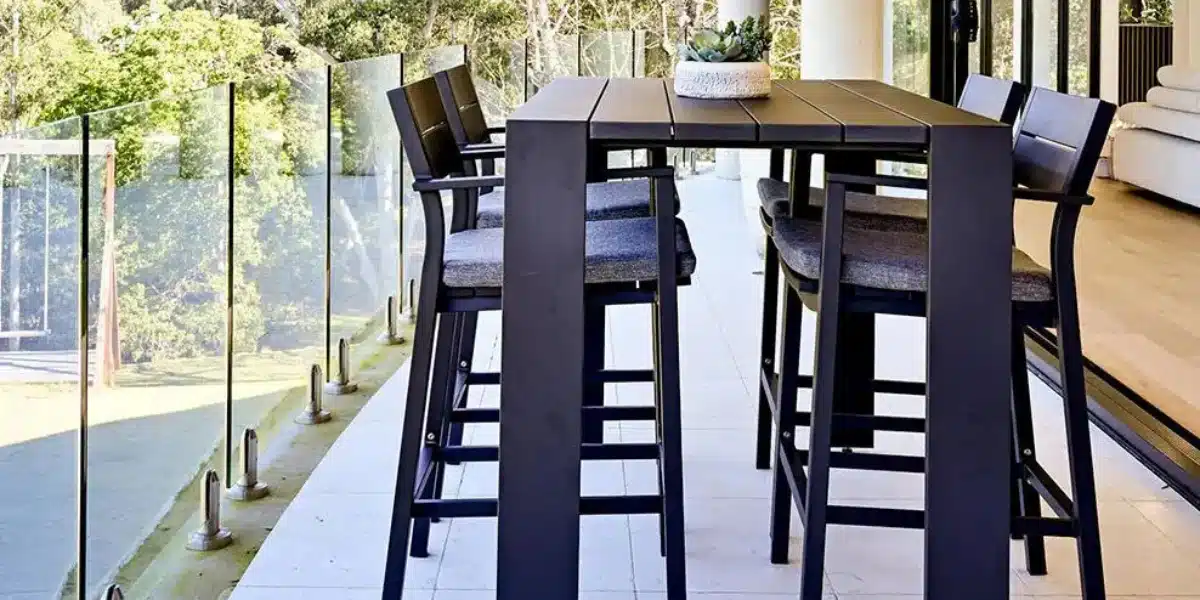
Bar-height furniture typically features tables measuring about 40 to 42 inches tall. Seating pairs with stools that sit around 28 to 32 inches high. This setup mirrors the look of commercial bars or cafés. It creates a taller visual line, which helps maintain sightlines in compact spaces like balconies or raised patios.
What Defines Counter-Height Furniture
Counter-height furniture sits lower, with tables measuring roughly 34 to 37 inches tall. Chairs or stools usually fall between 24 and 27 inches in seat height. This height closely matches kitchen counters, which makes it feel familiar for everyday use.
What Is the Difference Between Counter Height and Bar Height?
Comfort and Seating Experience
Posture and Legroom Considerations
Seating comfort starts with proper posture. Counter-height seating supports a more natural leg angle for most adults. Feet reach the ground or footrests more easily, which reduces pressure on knees or hips. Bar-height seating places legs higher, which can feel less relaxed during extended use.
How Seat Height Affects Long Sitting Periods
For longer meals, counter-height furniture tends to feel more forgiving. It supports relaxed seating without forcing guests to perch. Bar-height seating works better for shorter stays, drinks, or light snacks where movement happens more often.
Suitability for Casual Meals Versus Social Gatherings
If meals happen frequently at the table, counter height usually delivers better comfort. Bar height shines during social events where people alternate between sitting and standing, creating a lively rhythm.
Space and Room Proportions
Ceiling Height and Visual Balance
Tall furniture draws the eye upward. In rooms with lower ceilings, bar-height furniture may feel overwhelming. Counter-height options maintain balance without crowding the visual field.
How Furniture Height Influences Openness and Flow
Bar-height tables create visual separation, which works well in open layouts. Counter-height furniture keeps sightlines lower, helping small spaces feel less boxed in.
Best Fit for Compact Spaces Versus Open Layouts
Compact patios often benefit from bar-height sets due to their smaller footprint. Larger rooms with open floor plans usually handle counter-height furniture more comfortably.
Accessibility and Practical Considerations
Ease of Use for Children and Older Adults
Lower seating improves accessibility. Counter-height furniture allows easier entry, exit, and stability. Bar-height stools may feel challenging for some users. This height also supports safer movement during meals or casual gatherings.
Step-In and Step-Out Comfort
Getting on or off taller stools requires more balance. Counter-height seating reduces strain during repeated use. This becomes especially noticeable during longer meals or frequent transitions.
Long-Term Practicality for Everyday Living
For homes used daily, counter-height furniture often supports long-term comfort better than taller alternatives. It aligns well with routines that involve extended sitting or frequent use.
Style and Design Impact
How Each Height Contributes to Overall Aesthetics?
Bar-height furniture creates a modern, café-style look. Counter height leans toward casual dining appeal that blends easily with existing décor. The chosen height subtly influences how formal or relaxed the space feels.
Visual Separation of Spaces Using Height
Taller furniture can divide zones within open layouts. Counter height keeps transitions smoother. This difference helps define purpose without adding physical barriers.
Matching Furniture Height with Interior or Outdoor Design Themes
Choosing between bar height vs counter height often comes down to matching the furniture with surrounding architecture, finishes, and lifestyle needs. Consistency in height supports a balanced, intentional design throughout the space.
Stool and Chair Compatibility
Proper Seating Height Pairing
A gap of about 9 to 13 inches between the seat and the tabletop ensures comfort. Anything tighter limits legroom. Larger gaps strain posture. This spacing supports natural sitting without constant shifting.
Back Support, Footrests, and Stability
Backrests add comfort for longer seating. Footrests reduce leg fatigue, especially on taller stools. Stable construction prevents wobbling during daily use.
Choosing the Right Stool Style for Each Height
Bar-height stools benefit from strong frames and stable bases. Counter-height chairs offer more variety, including cushioned options. The right style improves both comfort and visual balance.
If you are looking to add outdoor comfort, we offer a number of patio covers in Boise that can greatly improve the usability of your patio during warmer months.
Budget and Investment Value
Cost Differences Between Furniture Sets
Bar-height sets sometimes cost slightly more due to taller frames and specialized stools. Counter-height sets remain widely available across price ranges. Material quality and construction still play the biggest role in overall cost.
Longevity and Maintenance Expectations
Lower seating places less strain on joints and welds, which can extend lifespan. This often results in fewer repairs over time.
Choosing Value Based on Lifestyle Needs
Understanding the difference between bar height and counter height helps buyers invest wisely without sacrificing comfort. Daily habits should guide the final choice more than design trends.
Comparison Chart of What is Bar Height VS Counter Height?
| Feature | Counter Height Furniture | Bar Height Furniture |
| Table Height | 34 to 37 inches | 40 to 42 inches |
| Seat Height | 24 to 27 inches | 28 to 32 inches |
| Overall Feel | Casual, relaxed, everyday-friendly | Social, high-top, pub-style |
| Comfort Level | Comfortable for longer sitting periods | Better for short stays or casual perching |
| Accessibility | Easier for children and older adults | Requires more effort to sit or stand |
| Legroom Experience | Natural posture with feet closer to the floor | Legs sit higher with reliance on footrests |
| Best For Dining | Daily meals, family use, and outdoor kitchens | Light meals, snacks, drinks |
| Entertaining Style | Conversational and cozy | Lively and social |
| Space Efficiency | Needs slightly more floor space | Works well in compact areas |
| Visual Impact | Blends smoothly with the surrounding furniture | Creates visual separation in open layouts |
| Indoor Use | Kitchens, dining rooms, multi-use spaces | Game rooms, home bars |
| Outdoor Use | Patios, poolside dining areas | Balconies, raised patios, view-focused spaces |
| Stool Variety | Wide range of styles and comfort options | More limited, often taller designs |
| Long-Term Practicality | Ideal for frequent, everyday use | Better for occasional entertaining |
Closing Summary
When it comes to bar-height or counter-height, it is the furniture that shapes how a space functions long term. Bar height offers a social, compact feel suited for entertaining. Counter height supports comfort, accessibility, and daily use. The right choice depends on room size, seating needs, and how often the space sees activity. Thoughtful planning avoids discomfort, visual imbalance, or regret after purchase. Measure carefully, consider who uses the space most, and think about how long people tend to sit. These details guide smarter decisions that last.
For those refining outdoor dining areas, we offer durable seating solutions like a Tropitone patio set, designed to support comfort while fitting a wide range of layouts. With the right height choice, your space stays inviting and functional.
