
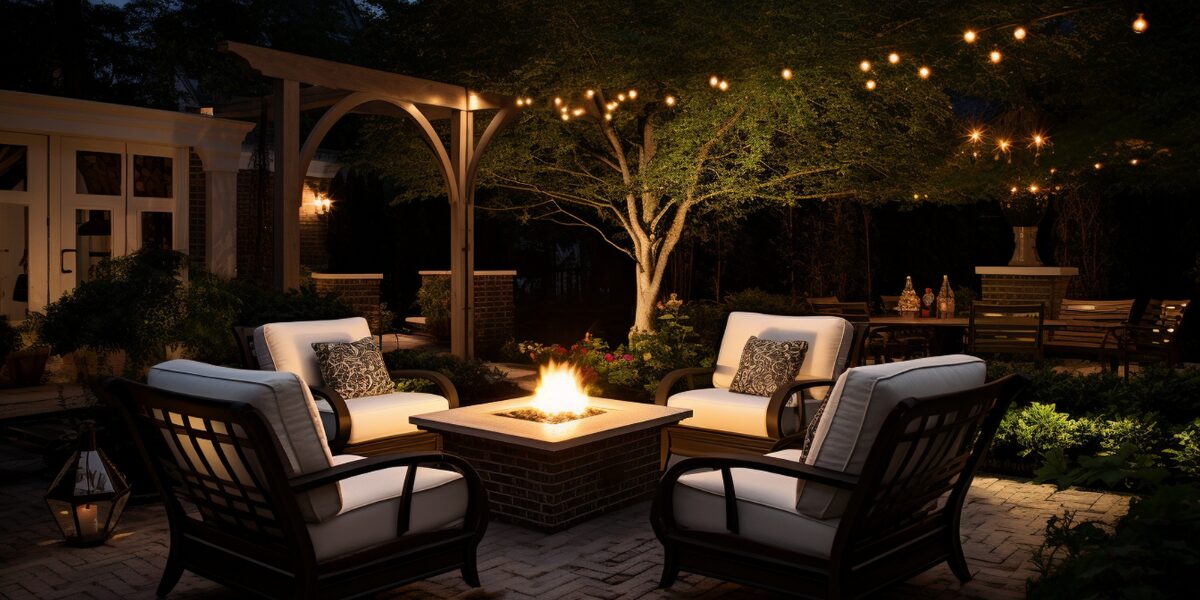
As the sun sets and the air cools, the patio shines as the centerpiece of outdoor living. The right lighting not only makes the space more functional but also turns it into a welcoming retreat for family gatherings, relaxed dinners, and quiet moments under the stars. Beyond simple illumination, outdoor lighting improves safety by brightening steps, walkways, and entry points while adding depth and dimension to your landscape. It allows you to enjoy your outdoor area long after daylight fades, creating an atmosphere that feels both cozy and secure.
In this blog, we’ll discover how to evaluate your patio’s lighting needs, select the best patio lights, and create an effective balance between practicality and ambiance. These tips will help you transform your patio into an enchanting outdoor haven after dark.
Understanding Your Patio Lighting Needs
-
Evaluate Patio Layout and Use
Start by mapping activity zones. Mark dining, cooking, seating, and walking areas on a simple sketch. Note fixed elements such as steps, railings, plants, and built structures. That helps you determine where focused light is required and where a soft glow is enough.
-
Define Desired Brightness and Mood
Decide which areas need higher illumination for safety and tasks and which should retain a warm, low-level glow for relaxation. Use lumen targets as a guide: lower lumens for lounging zones and higher lumens for cooking or serving stations.
-
Consider Power and Installation Constraints
Check access to electrical outlets and confirm if you want hardwired fixtures, low-voltage circuits, or solar-powered options. Knowing installation limits early keeps the plan realistic and avoids surprise expenses.
Types of Outdoor Lighting and Their Purposes
-
Ambient Lighting
Ambient fixtures establish overall illumination and create a welcoming backdrop. Typical ambient solutions include wall lanterns, overhead pendants, and soft ground washes that evenly light the patio area.
-
Task Lighting
Task lighting supplies concentrated light for specific activities. Place under-cabinet LEDs in outdoor kitchens and mount focused lights near grills and prep zones. Task lights should reduce shadows and allow clear visibility during use.
-
Accent Lighting
These lights draw attention to focal points such as specimen plants, sculptures, or textured walls. Use spotlights, up lights, and low-angle fixtures to create visual interest without brightening the entire space.
How to Choose and Enhance with Outdoor Lighting
-
Match Fixtures to Architectural Style
Select fixtures that complement the patio style. Clean-lined fixtures suit modern patios, while lantern silhouettes pair well with traditional settings. The right finish and scale make lighting feel integrated.
-
Materials, Ratings, and Longevity
Prioritize fixtures built for outdoor conditions. Look for corrosion-resistant metals, tempered glass or polycarbonate lenses, and appropriate IP ratings for exposure. Choosing robust materials reduces maintenance needs over time.
-
Efficiency and Lifespan Advantages
LED patio lighting consumes less energy and lasts longer than traditional bulb types. LEDs produce higher light output per watt and need fewer replacements, making them a cost-effective choice for regular outdoor use.
-
Popular LED Applications
LED strips work well under handrails and in soffits. Integrated LED fixtures suit recessed floor and stair lighting. Solar-powered LED units offer flexibility where wiring is difficult. Each application solves a specific installation challenge.
-
Smart Controls and Dimming
Smart LED systems let you schedule lighting scenes, dim lights, and change color temperature through an app or controller. Scene control helps tailor brightness for different gatherings and reduces wasted energy during low-use hours.
-
Choosing the Right Style
String lights for patio come in globe forms, mini fairy styles, and Edison-style bulbs. Globe bulbs provide a classic look while smaller bulbs deliver a softer glow. Select the scale that matches your patio size and ceiling height.
-
Installation Patterns That Work
Hang strings across a pergola, along a fence, or between posts to create overhead presence. Use consistent fastening points and maintain slight tension to prevent sagging. Place bulbs at an even distance to achieve a uniform glow across the area.
-
Bulb Selection and Weather Considerations
Choose outdoor-rated bulbs and fixtures designed for wet locations. Consider shatter-resistant bulbs in high-traffic zones. LED string options save energy and reduce heat near fabric or foliage.
-
Layering Lighting for A Complete Design
Combine ambient, task, and accent lighting in distinct layers to achieve both function and atmosphere. Each layer should serve a clear purpose and integrate visually with the others.
Layer Planning Steps
- Assign ambient fixtures to provide overall coverage.
- Place task lights in areas that require clear visibility.
- Add accents to showcase architecture and landscaping.
This structured approach ensures the patio looks balanced and performs well after dark.
-
Zoning and Control Strategy
Group fixtures by zone for independent control. Use separate circuits or smart zones for dining, cooking, and seating areas. Independent control avoids over-lighting and allows tailored scenes for different events.
Moreover, for coordinated seating and design ideas, explore us for Ebel outdoor furniture to pair with your new lighting scheme.
Safety and Maintenance for Outdoor Lightning
-
Weatherproof Installation
Use outdoor-rated junction boxes, conduit, and connectors. Guarantee seals and gaskets remain intact on fixtures exposed to moisture. Proper installation extends fixture life and prevents electrical faults.
-
Routine Inspection and Cleaning
Inspect fixtures seasonally. Clean lenses and trim away debris that blocks light. Replace cracked components promptly. Regular checks reduce the chance of unexpected failures.
-
Timers, Motion Sensors, And Reliability
Install timers for predictable on and off schedules. Motion sensors add security and save energy by activating lights only when needed. Test these devices periodically to confirm proper operation.
Conclusion
A well-lit patio boosts evening comfort, improves safety, and lifts up the overall look of your outdoor space. Start with a clear assessment of layout and use, then choose appropriate fixture types and materials that match your style and climate. Incorporate LED patio lighting for energy savings and longevity, and use string lights to add warmth and character. Layer lighting to provide both practical illumination and mood. Maintain fixtures with simple seasonal checks and add timers or sensors for convenience. Thoughtful planning makes your patio useful after dark and ensures your investment performs well for years. Start planning tonight and take one step at a time toward a brighter, safer outdoor space.
Find durable tables and chairs at Patio Life. We offer a selection of Castelle outdoor patio furniture that complements the modern outdoors.
