
Winter can be harsh on outdoor spaces, and your patio furniture is no exception. Proper care helps extend the life of chairs, tables, and loungers while maintaining their appearance. Learning how to winterize patio furniture is a smart investment that preserves both comfort and style. This guide walks homeowners through actionable steps for protecting furniture during cold months, covering cleaning, storage, covers, and maintenance. By following these strategies, you can enjoy your winter patio furniture for years and avoid costly replacements.
Step 1: Preparing Your Furniture for Seasonal Transition
The first step in winterizing outdoor furniture involves careful preparation. Moving furniture from active use to storage or sheltered areas requires planning to avoid damage. Start by clearing debris, leaves, and dirt. Cleaning is crucial, especially for metal or wooden pieces prone to rust or decay. Light scrubbing with mild soap and water removes residues that could cause stains or mold over winter. Cushions and fabric components should be cleaned and fully dried to prevent mildew. Preparing furniture thoroughly protects structural integrity and aesthetic appeal while laying the groundwork for safe storage or coverage.
Cleaning Different Materials
- Wood: Wipe with a soft cloth and mild soap, then apply a protective oil or sealant.
- Metal: Remove rust spots with a wire brush, rinse, and dry thoroughly.
- Plastic/Resin: Wash with warm, soapy water, rinse, and allow to dry completely.
- Fabric Cushions: Spot-clean or use machine-washable covers; make sure to completely dry before storage.
Proper cleaning prevents deterioration so that your outdoor furniture for winter maintains its original appearance and strength.
Step 2: Removing Cushions and Accessories
Before storing furniture, remove all cushions, pillows, and detachable components. Fabric items benefit from indoor storage to avoid moisture exposure and color fading. Frames should be free of loose items that could trap water or promote mold growth. Many homeowners opt to store cushions in airtight containers or dedicated storage bins to preserve shape and hygiene. Once accessories are removed, furniture frames can be treated individually to prepare them for long-term outdoor protection.
Protecting Fabric and Cushions
Fabrics can absorb moisture, leading to mildew or discoloration. Wash or spot-clean cushion covers, allow them to dry completely, and store them in sealed containers. Foam inserts may be wrapped in waterproof bags for added protection. Taking these precautions keeps seating comfortable, hygienic, and ready for early spring use.
Step 3: Selecting Protective Covers and Sheltered Areas
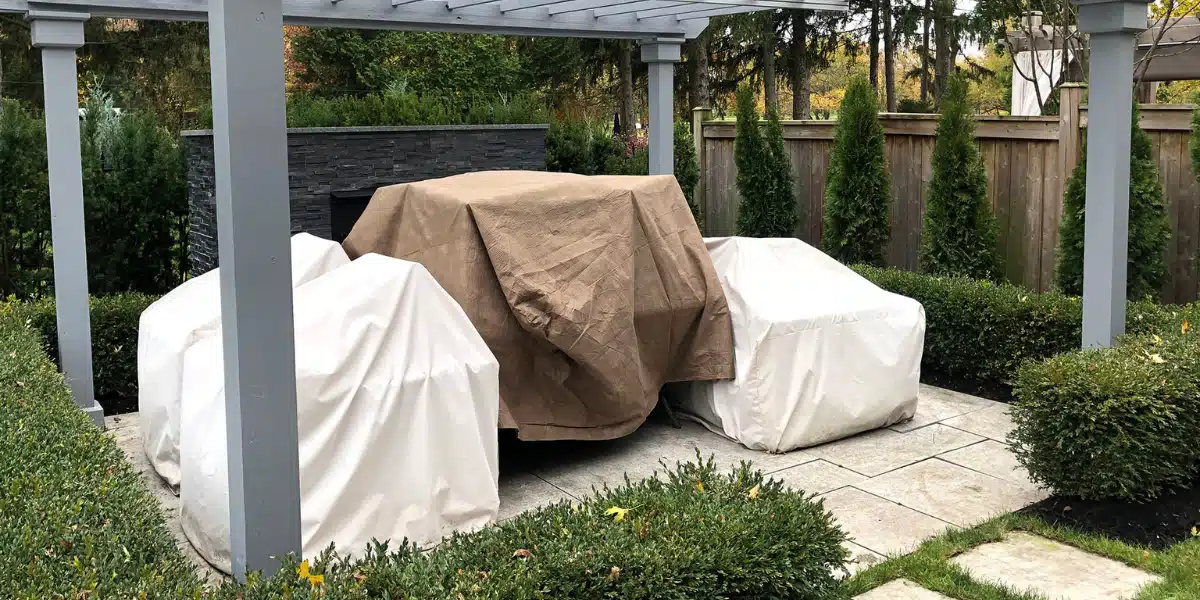
Using covers and choosing the right location are key to winter patio furniture care. Outdoor covers protect against snow, rain, and debris, while indoor or sheltered placement offers additional protection. Look for waterproof yet breathable fabrics to avoid condensation and mildew. Heavy-duty tarps can be an option, but secure them properly to prevent wind damage. Position furniture on level ground or raised surfaces to avoid standing water. Combining covers with sheltered placement provides dual protection, reducing the risk of warping, rusting, or paint deterioration over the winter months.
Choosing the Right Cover
- Select a weather-resistant, breathable fabric.
- Make sure covers fit snugly to prevent movement in the wind.
- Opt for UV-resistant materials if the furniture will remain partially outdoors.
These precautions extend furniture longevity while keeping it ready for spring use.
Step 4: Indoor or Garage Storage
For maximum protection, consider indoor storage or a garage. Keep furniture away from damp floors to avoid wood swelling or metal corrosion. Elevate pieces on pallets or shelving to improve airflow. This step is especially useful for premium items like vintage Homecrest patio chairs, which benefit from extra care and controlled conditions.
Step 5: Winterizing
Winterizing Wooden Furniture
Wood requires careful attention to survive the winter months. Sand rough areas and apply a water-repellent finish or protective sealant before storage. Avoid tightly wrapping wooden pieces in plastic, as this can trap moisture and promote rot. Regular inspections during storage help catch issues early, such as cracks or mold growth. Applying these steps preserves wood grain and structural integrity so that your investment lasts for seasons to come.
Winterizing Metal and Aluminum Pieces
Metal furniture is prone to rust and corrosion. Thorough cleaning and drying are essential, followed by applying a protective wax or rust-resistant coating. For lightweight aluminum, stacking or securing chairs prevents scratches. Bolts and screws should be tightened to maintain stability. These steps maintain both function and appearance, helping winterize outdoor furniture so it remains visually appealing and durable.
Step 6: Preparing for Spring Use
Before returning furniture outdoors, clean the frames and cushions again and check for repairs. Reapply finishes to wood or protective coatings to metal surfaces if needed. Reassemble pieces carefully, replacing missing screws or hardware. These steps help winter patio furniture remain safe, functional, and aesthetically pleasing for the new season.
Additional Tips for Specialty Items
Even while furniture is stored, occasional checks are recommended.
- Remove covers on dry days to inspect for moisture, pests, or damage.
- Lubricate moving parts on metal or folding furniture.
- Replace damaged covers if necessary to maintain protection.
- Focus on proper storage, gentle cleaning, and protective coverings.
Prioritizing premium pieces guarantees longevity and preserves their value, providing reliable comfort and style year after year. These small actions prevent long-term damage and prepare your outdoor spaces for a seamless return to use when temperatures rise.
Benefits of Proper Winterization
- Extends the lifespan of furniture.
- Protects investment in high-quality pieces.
- Maintains aesthetic appeal and comfort.
- Reduces repair and replacement costs.
Taking time to winterize patio furniture safeguards your outdoor spaces while making spring setup faster and simpler.
Summing It Up
Winterizing outdoor furniture is an essential step for homeowners seeking longevity, comfort, and aesthetics. Cleaning, proper storage, protective coverings, and seasonal maintenance keep furniture ready for use. By following step-by-step guidance, homeowners can protect investments, reduce damage, and enjoy functional, beautiful outdoor areas year after year.
We offer expert advice, high-quality materials, and practical solutions to help homeowners winterize outdoor furniture effectively. So, if you are looking for high-quality, premium furniture, our catalog consists of high-end Crown Marquis sets. Start protecting your patio today and keep your outdoor furniture in top condition for winter.