
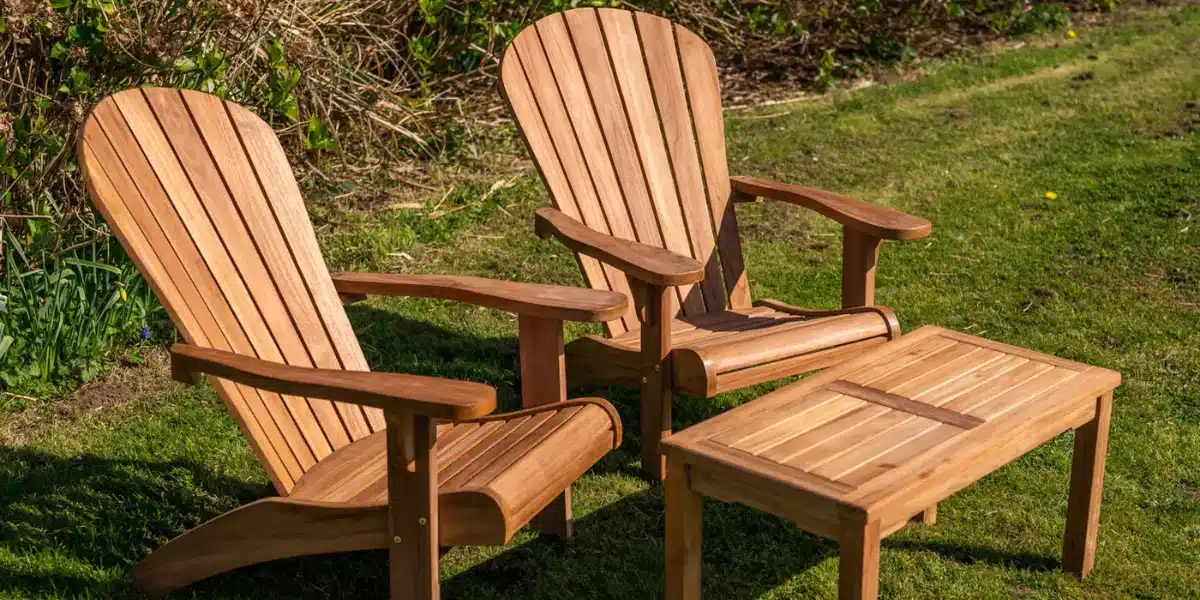
A classic Adirondack chair can instantly make a porch, deck, or lakeside spot feel like the ideal place to unwind. These chairs are popular because they combine a relaxed seating posture with unmistakable style. Choosing the right model requires attention to materials, ergonomics, sizing, and care.
This guide walks through everything you need to know about Adirondack chairs, including the styles available, how different materials perform, key comfort features, and practical tips for placement and maintenance.
What Makes Adirondack Chairs So Popular?
Adirondack chairs have an iconic silhouette and a reputation for comfort. Their wide armrests, sloped seats, and reclined backs create a relaxed seating position ideal for long conversations or quiet afternoons. These chairs fit many settings, including patios, decks, beaches, and garden nooks. Their simple structure also allows for many material and finish choices, so you can pick a look that matches your outdoor decor while meeting your durability needs.
Types of Adirondack Chairs
1. Wooden Adirondack Chairs
Wood remains a top choice for its authentic appearance and sturdy feel. Teak and cedar resist moisture and insects, and they develop a graceful patina over time. Wooden Adirondacks require periodic maintenance, such as cleaning and oiling, if you want to preserve the original tone rather than let them age naturally.
2. Poly/Lumber Plastic Adirondack Chairs
Poly lumber, made from HDPE or recycled plastics, mimics the look of painted wood with very low upkeep. These chairs resist fading, splitting, and staining, and they clean easily with soap and water. They are a good pick for busy homeowners who want the look of wood without the maintenance.
3. Folding Adirondack Chairs
Folding Adirondacks offer portability and storage convenience. They fold flat for easy stowing when not in use, making them a practical choice for seasonal patios and smaller spaces.
4. Rocking Adirondack Chairs
Rocking variants add gentle motion to the classic profile, creating a soothing seat for porches and screened-in areas. Rocking models are available in wood and poly materials.
5. Tall and Upright Adirondack Chairs
Models with slightly higher seats and a less-reclined back work well for people who prefer easier sit-down and stand-up movement. These chairs preserve the Adirondack look while improving accessibility.
If Adirondack chairs don’t sound appealing and you need a durable seating upgrade that adds comfort and low maintenance, consider an outdoor POLYWOOD bar from us for your backyard setup.
Choosing the Right Material
· Solid Wood (Cedar, Teak, Acacia)
Wood offers warmth and authenticity. Teak and cedar are naturally water-resistant, but all wood benefits from protective finishes. Expect occasional sanding, resealing, or staining to preserve the color and prevent splintering.
· HDPE / Poly Lumber
Poly lumber provides long-term durability with very little maintenance. It withstands sun exposure and humidity well. Color is built into the material, so scratches do not show as easily as on painted wood.
· Plastic / Resin
Affordable and lightweight, plastic Adirondacks come in many colors and are easy to care for. Over time, they may fade, and thinner models could crack in extreme temperatures.
· Composite Materials
Composites blend recycled plastics with wood fibers, offering a middle ground in appearance and maintenance. They resist rot and require less upkeep than natural wood.
Features To Consider Before Buying
Comfort and Ergonomics
Look for a gently curved back panel and a sloped seat that supports your posture. Armrest width is important for resting drinks or a book. Test the back angle for comfort.
Seat Height and Depth
Seat height affects ease of use. Short, deeply slanted seats give the classic Adirondack lean, while taller seats suit users who need an easier transition to standing. Check measurements for the Adirondack chair when comparing models to ensure a fit for your household.
Weather Resistance
Choose finishes and construction that match your climate. Stainless steel hardware and UV-resistant paints will extend the life of many chairs.
Weight Capacity and Durability
Verify the manufacturer’s weight rating and inspect joinery and fasteners. Solid construction with reinforced joints will resist wobbling and last longer under frequent use.
Portability and Storage
If you move chairs seasonally, consider foldable designs or lighter poly options that are easier to lift and stow.
Style and Color Choices
Adirondack chairs come in classic natural finishes and bright colors. Pick a palette that complements your outdoor area and any cushions or accents you plan to add.
Sizing, Angles, and Comfort Considerations
Understanding standards for Adirondack chair size helps you pick a model that suits your body type and intended use. Standard adult sizes have seat widths around 20 to 22 inches and back heights near 36 inches, but “grand” or oversized versions offer more room. Compare seat depth and back angle in product specs to avoid surprises.
A comfortable seat typically has a generous depth and a stable front edge that supports thighs without cutting circulation. If many guests are taller, consider models with extra depth and a slightly raised seat.
A common question is: Are Adirondack chairs good for your back? The answer depends on the chair’s ergonomic design. Models with a moderate back recline, supportive lumbar curve, and proper seat depth can relieve pressure on the lower spine. Chairs that are too deeply sloped or lack lumbar support may not suit users with specific back issues. Adding a lumbar cushion or choosing a chair with a more upright back angle can improve comfort for those with sensitive backs.
Practical Measurements and Dimensions
If you need precise numbers, check the Adirondack chair dimensions listed by each manufacturer. Typical adult models have overall heights between 36 and 42 inches with a seat-back angle of 15 to 35° and a front-to-back height drop of around 4 to 6 inches. Measuring clearances around the chair before you buy helps ensure the chair fits between other outdoor elements like tables or planters.
For home projects or custom builds, standard dimensions for an Adirondack chair serve as a starting point. Confirm armrest width, seat depth, and back panel height for ergonomic comfort and aesthetic proportion.
Final Thoughts
Adirondack chairs are timeless and adaptable, but the best choice depends on your needs. Consider material, ergonomics, measurements, and maintenance before buying. If you plan to use chairs daily and want low upkeep, poly lumber is a strong choice. If you prize classic grain and don’t mind seasonal care, solid wood offers unmatched charm. Try a chair in person when possible, and check the dimensions and measurements for the Adirondack chair to confirm a good fit for your household.
For relaxed seating that pairs well with Adirondack styling, explore our collection of POLYWOOD lounge chairs as a weather-resistant companion option.