
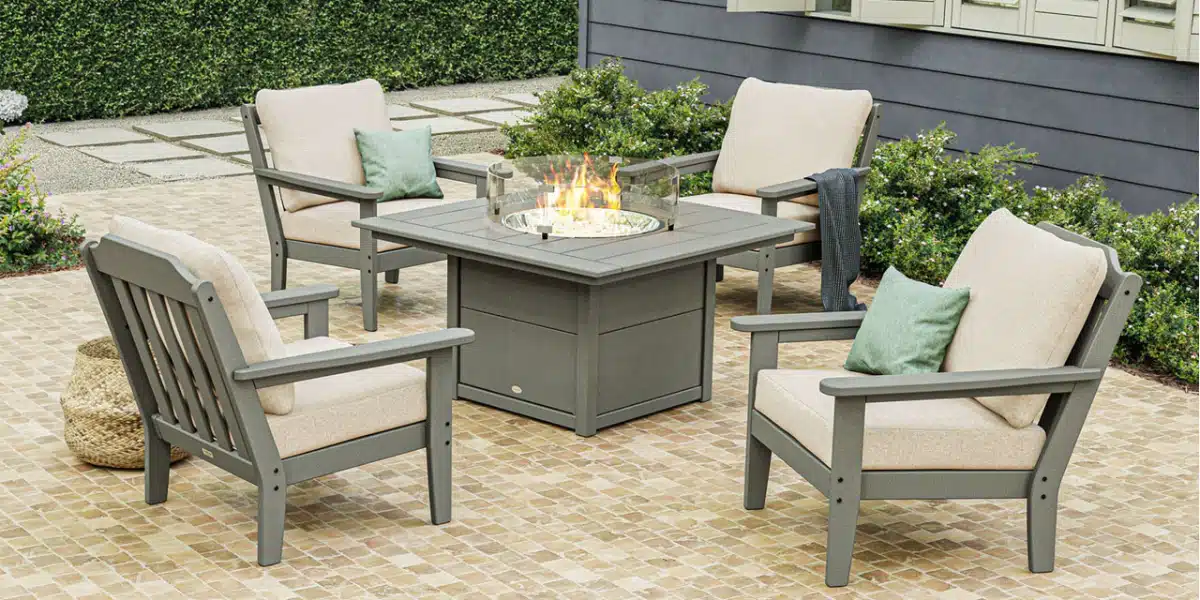
Arranging outdoor furniture is an art that can completely transform a patio, deck, or backyard into a functional, inviting space. Even the most stylish patio furniture placement can feel awkward or underwhelming without a thoughtful arrangement. A well-designed layout improves flow, enhances comfort, and ensures every inch of your outdoor area is both beautiful and practical.
In this blog, we will share eight expert tips that cover everything from defining the purpose of your space to layering accessories for comfort and cohesion. Following these strategies will help you create an outdoor environment that is visually appealing, functional, and welcoming for all occasions.
Why Furniture Arrangement Matters Outdoors
Proper outdoor furniture arrangement ideas do more than just make a space look neat; they boost usability and comfort. Correct placement ensures smooth traffic flow, defines activity zones, and creates areas for socializing, dining, or relaxation. Well-arranged furniture also accentuates architectural features and landscaping, giving your backyard a polished, cohesive look. Without a clear plan, furniture can feel scattered or cramped, making outdoor areas less inviting.
Investing time in arranging furniture thoughtfully will make your patio or deck feel like a natural extension of your home. To add refined craftsmanship to your backyard layout, consider the collection of Castelle outdoor patio furniture from us.
8 Expert Tips to Arrange Outdoor Furniture
If you enjoy quiet mornings with a cup of coffee or lively evenings with friends and family, knowing how to arrange outdoor furniture is essential to make the most of your space.
1. Start by Defining the Purpose of the Space
Before moving any chairs or tables, identify how you intend to use your outdoor space. Do you want a quiet retreat for reading, a dining area for family meals, or a social hub for entertaining guests? Clearly defining the purpose helps determine the type and amount of furniture you need.
For example, a lounge-focused layout benefits from modular sofas and POLYWOOD lounge chairs, while a dining area needs a proper table and ample seating. Establishing activity zones early prevents overcrowding and makes planning your garden furniture layout much easier.
2. Measure Your Space Before Buying or Arranging
Accurate measurements are important for successful patio furniture setup ideas. Measure your deck, patio, or yard, noting fixed features like doors, steps, or built-in grills. Sketch the area on graph paper or use an online planner to visualize different layouts. This approach makes sure your furniture fits comfortably without obstructing pathways. Adequate spacing prevents a cramped feel and allows for easy movement between zones. Remember, even small adjustments can drastically improve the overall functionality and look of your outdoor space.
3. Choose the Right Focal Point
Every great outdoor setup has a focal point. It can be a fire pit, dining table, fountain, or scenic view. Arrange your furniture around this central feature to create natural gathering spots and visual interest. A well-placed focal point draws attention and encourages social interaction. Circular or U-shaped seating around a fire pit, for example, promotes conversation while keeping the space organized. Planning around a focal area is a key step in how to arrange deck furniture effectively.
4. Prioritize Comfort and Accessibility
Seating should be both comfortable and easily accessible. Arrange sofas, chairs, and benches so guests can move freely without bumping into furniture. Maintain at least three feet of clearance for main pathways and about two feet between individual pieces. Ergonomic placement enhances conversation and ensures everyone has a good view of the space. Consider adding cushions or lounge chairs to increase comfort and encourage longer stays outdoors. Accessibility is as important as style when arranging outdoor furniture.
5. Mix and Match Furniture Styles for Visual Balance
Combining different furniture styles adds depth and character to your outdoor space. Use a mix of tables, chairs, and seating types to create interest while maintaining cohesion. Balance the materials, colors, and proportions to avoid a cluttered or mismatched appearance. Thoughtful mixing contributes to an attractive outdoor furniture arrangement that looks curated rather than accidental.
6. Consider Sunlight, Shade, and Wind Direction
Placement relative to sunlight and wind can impact usability and comfort. Position seating and dining areas in naturally shaded spots or add umbrellas, pergolas, or shade sails for adjustable coverage. Check how the sun moves throughout the day and plan for areas that receive morning or afternoon light. Wind direction also matters, especially if you have lightweight furniture that can shift or topple. Taking these environmental factors into account will make your patio furniture placement functional year-round.
7. Layer with Outdoor Accessories
Accessories bring cohesion and comfort to your outdoor setup. Add rugs to define zones, cushions for softness, and throw pillows for color and style. Include lighting such as string lights, lanterns, or solar-powered fixtures to enhance evening ambiance. Layering textures and accents creates a welcoming, cozy atmosphere that encourages guests to linger. Thoughtful accessory placement also improves your strategy on how to arrange outdoor furniture, making the space feel polished and intentional.
8. Keep the Flow Open and Inviting
Make sure your layout allows for easy movement between zones. Avoid tight clusters that make it difficult for guests to circulate. Align furniture naturally around focal points and pathways to encourage social interaction. Open arrangements not only feel more spacious but also make the backyard more versatile for different gatherings. Leaving breathing room is essential for practical garden furniture layout ideas, keeping the area comfortable for both everyday use and entertaining.
Maintenance and Seasonal Adjustments
Outdoor furniture arrangements should adapt to the seasons. Move pieces to shaded areas during hot summer months and cover or store them during winter to protect from moisture and sun damage. Refreshing your layout with minor tweaks, such as rotating cushions or adding seasonal décor, keeps the space feeling new. These adjustments complement your how to arrange deck furniture plan and extend the life and enjoyment of your outdoor investment.
Conclusion
Arranging outdoor furniture thoughtfully elevates both the comfort and style of your patio or backyard. By defining purpose, selecting focal points, maintaining flow, and layering accessories, you create a space that is inviting, practical, and aesthetically pleasing. Integrating outdoor furniture arrangement ideas with attention to sunlight, shade, and comfort ensures your outdoor area works for daily use and entertaining guests. Consider this an opportunity to rethink your patio furniture setup and make every outdoor gathering feel intentional and enjoyable. Small changes in layout can completely transform your space into a welcoming retreat.
For elevated comfort and lasting style, we have a range of Ebel outdoor furniture to complement your outdoor seating arrangement. Explore our catalog to find your dream outdoor furniture!
